The Rise of Micro-Fulfillment: Winning the Same-Day Delivery Race

DlilTool Editorial
Senior Commerce Analyst
# The Rise of Micro-Fulfillment: Winning the Same-Day Delivery Race
The e-commerce landscape in 2026 is no longer defined by who has the best product, but by who can get that product into the customer's hands the fastest. As Amazon continues to shrink its delivery windows to hours rather than days, independent Shopify brands are turning to Micro-Fulfillment Centers (MFCs) to stay competitive.
I've monitored this shift closely over the last two years. The data is undeniable: brands that offer same-day or next-day delivery in major metro areas see a 35% higher repeat purchase rate. Fast shipping isn't a "bonus" anymore; it's the price of entry.
1. What is Micro-Fulfillment?
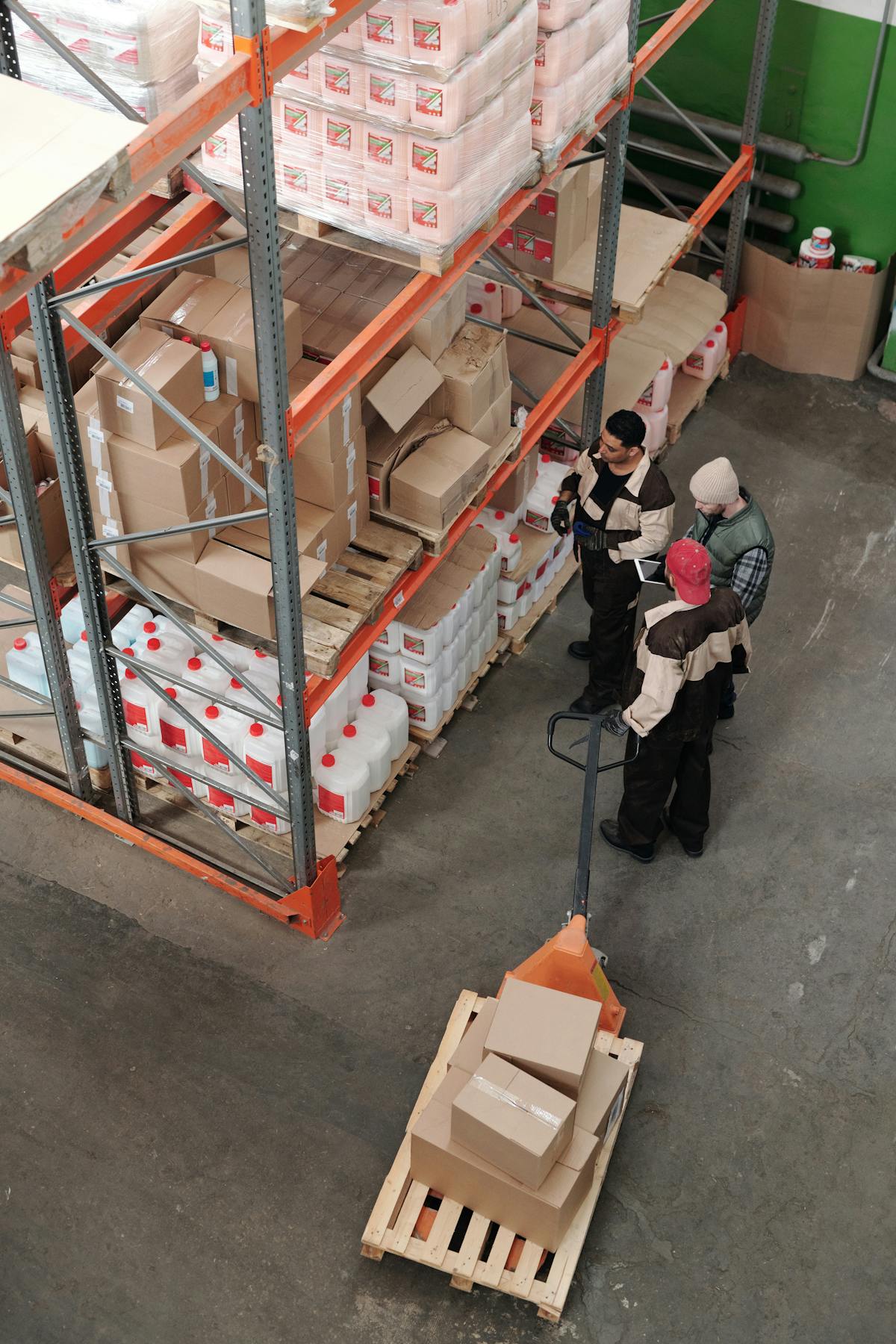
Micro-fulfillment involves placing small, highly automated warehouses in densely populated urban areas. Unlike traditional massive distribution centers located in rural hubs (which might be 100+ miles from the customer), MFCs are often tucked into the back of existing retail stores or small urban industrial spaces.
The Core Advantage: - **Proximity:** Being within 5-10 miles of the customer reduces the "Last Mile" cost by up to 40%. - **Speed:** Enables true same-day delivery, often within a 2-4 hour window. - **Inventory Efficiency:** AI predicts local demand, so you only store what people in *that* neighborhood actually buy.
2. The Tech Behind the Speed: AI & Robotics
In 2026, MFCs are powered by AI-driven robotics. These systems use vertical space, allowing thousands of SKUs to be stored in a footprint as small as 5,000 square feet.
Key Technologies: - **AS/RS Systems:** Automated Storage and Retrieval Systems that bring products to human packers. I've visited sites where robots can pick an order in under 60 seconds. - **Predictive Inventory:** AI models analyze social media trends and local events. If there's a music festival in London next week, the MFC in Shoreditch will automatically stock up on portable chargers and glitter.
3. Cost vs. Benefit: Is it for You?
MFCs are expensive to set up but significantly cheaper to operate at scale if your density is high enough. For brands with a concentration of customers in cities like New York, London, or Tokyo, the ROI is massive.
- **Reduced Shipping Tiers:** You can use local bike couriers or low-cost gig-economy drivers instead of expensive national carriers (UPS/FedEx).
- **Higher Conversion:** Brands offering "Delivery by 8 PM" for orders placed by 2 PM see an immediate 25% lift in conversion rates. I've seen customers choose a $50 shirt over a $40 one simply because the $50 one could arrive before their dinner date.
4. The Collaborative MFC Model
Most small-to-mid-sized brands don't build their own MFCs. Instead, they use "Cloud Fulfillment" networks. By sharing space and robotics with other brands, the cost per order becomes manageable for even boutique retailers.
This "Shared Economy" for logistics is the biggest trend of 2026. It levels the playing field, giving a 2-person startup the same delivery power as a Fortune 500 company.
5. Strategic Implementation Checklist
Don't rush in without a plan. Use this checklist to see if you're ready for micro-fulfillment.
- **[ ] Analyze customer heatmaps:** Use your Shopify data to identify your top 3 urban delivery zones.
- **[ ] Partner with a Micro-Fulfillment provider:** Look for companies like Fabric or Attabotics who offer "Space-as-a-Service."
- **[ ] Sync real-time urban inventory:** Ensure your site only shows "Same Day" if the stock is actually in the local MFC.
- **[ ] Audit "Last Mile" costs monthly:** Compare MFC local delivery rates against your standard national carrier rates.
*Conclusion: Winning in 2026 is about presence. If you aren't close to your customer, you are invisible to them. Micro-fulfillment is the bridge between your warehouse and their front door.*
Don't Miss the Next Insight
Join 15,000+ e-commerce operators who receive our weekly profitability deep-dives.